


In a society governed by laws, individuals often find themselves at moral crossroads when faced with a conflict between their personal beliefs and the established legal framework.
The history of the world is built and based upon conflict and hierarchical struggle, whether it be between “[f]reeman and slave, patrician and plebeian, baron and serf, guild master and journeyman”, or simply put, “oppressor and oppressed”.
Such conflict, and the vast developments in society that spur as a result, involve disobedience against the expectations of what the oppressor believes of their oppressed. The French Revolution beginning in 1789 did not occur in a vacuum; it was the culmination of major developments in individual belief, mainly attributed to the Enlightenment. This revolution of thought and ideals, pioneered by philosophers such as Immanuel Kant and John Locke, inspired individualism, empiricism, and rationalism, rather than the blind obedience of French feudal society. However, for such an expansive change in the fundamentals of France, the peasantry of the regime was forced to courageously work outside the law through civil disobedience; simple demands were largely ineffective, as the peasantry lacked any substantial political influence.
Though occurring more than two centuries ago, the French Revolution paints a picture of the methodology of future movements that involved resistance without regard for the opinion of authority. As a result, it can only be just to come to the conclusion that civil disobedience is not only morally and ethically just, it is also wildly more effective than the ideas of intelligent disobedience purported by Ted Thomas and Ira Chaleff in their essay titled “Moral Courage and Intelligent Disobedience”. Though the idea of moral courage is admirable, revolt is not as simple as enduring oppression.
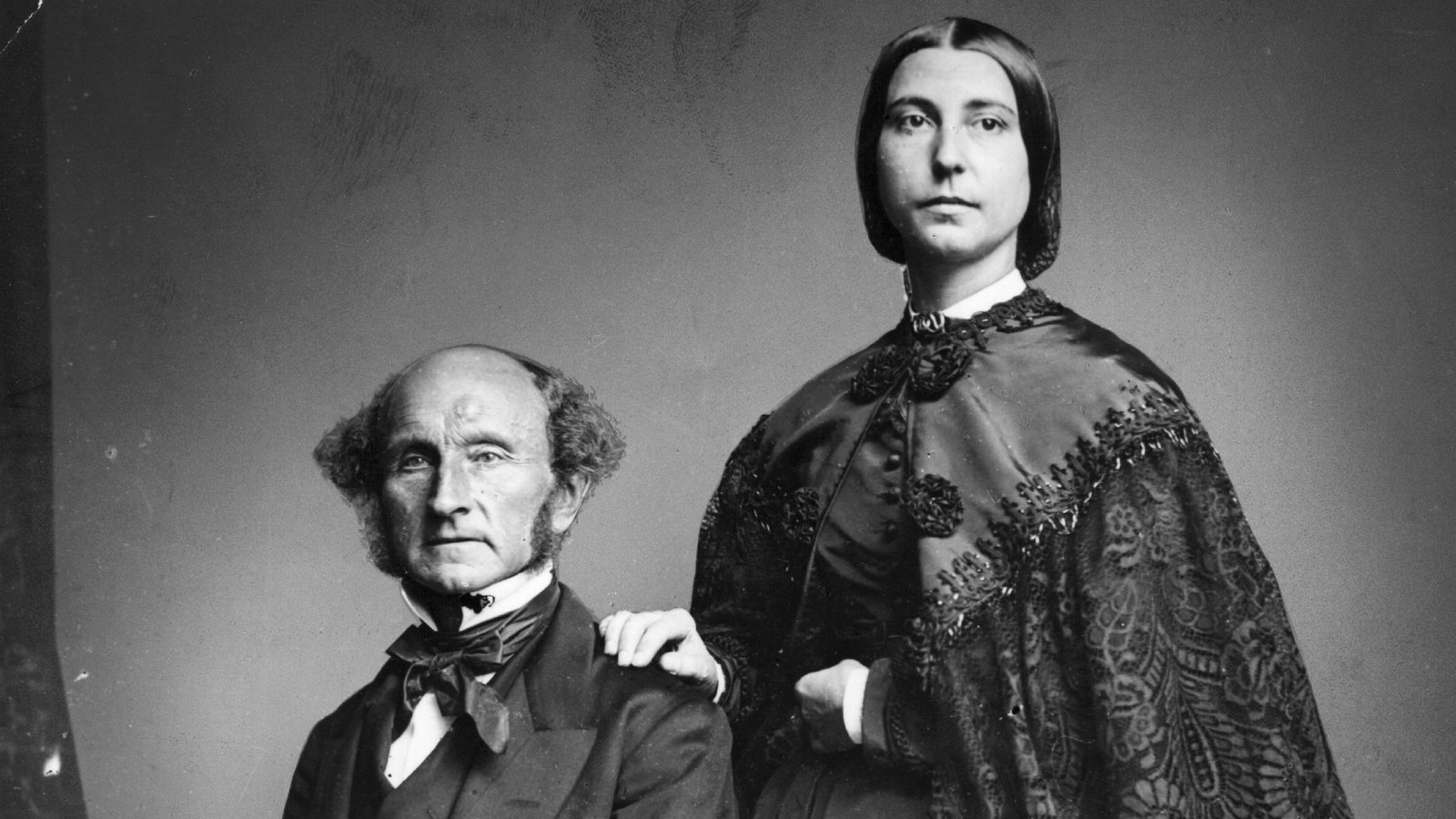
John Stuart Mill and Harriet Taylor Mill
Defiance and Ethics
At the heart of the moral dilemma lies whether it is justifiable to go against the law when one perceives it to be unjust. This notion echoes the teachings of moral philosophers such as Immanuel Kant, who argued for the supremacy of moral duty over legal obligation (Misselbrook). Kant’s deontological ethics emphasizes the importance of acting per moral principles, regardless of the consequences or societal norms. This, in itself, supports the idea of moral courage as a northern star for rebels to follow.
This was also seconded by philosophers such as John Stuart Mill, in his collection of Three Essays on Representative Government, Mill emphasized the impact of courage by stating “One person with a belief is a social power equal to ninety-nine who have only interests”. However, the utilitarian beliefs of Mill offer a more in-depth perspective, asserting that the morality of an action should be judged based on its overall utility or consequences.
From a utilitarian standpoint, disobeying unjust laws may be justified if it leads to greater happiness or reduces suffering in society. This relates heavily to historical instances of apartheid, segregation, and other divisive means of organizing society; revolting against such tools of oppression, even if illegal, reduces suffering for the majority of the participators of society (disregarding prejudice, which is irrational).
Historical Examples of Civil Disobedience
Civil disobedience, popularized by figures like Mahatma Gandhi and Martin Luther King Jr, exemplifies the moral courage spoken of by Mill and Kant to challenge unjust laws peacefully; Gandhi’s campaign of nonviolent resistance against British colonial rule in India and King’s leadership in the Civil Rights Movement in the United States demonstrates the power of moral conviction in effecting social change. Gandhi famously stated, “An unjust law is itself a species of violence,” encapsulating the belief that individuals have a moral obligation to resist oppressive laws through nonviolent means. King similarly advocated for civil disobedience as a moral imperative, emphasizing the duty to confront injustice with righteous action. Although nonviolent protest was, at the time of King’s movement, technically in the framework of the law, ethically unjust policing and general misuse of constitutional law eroded those rights for those brave enough to challenge the segregationist status quo of the 1960s United States.
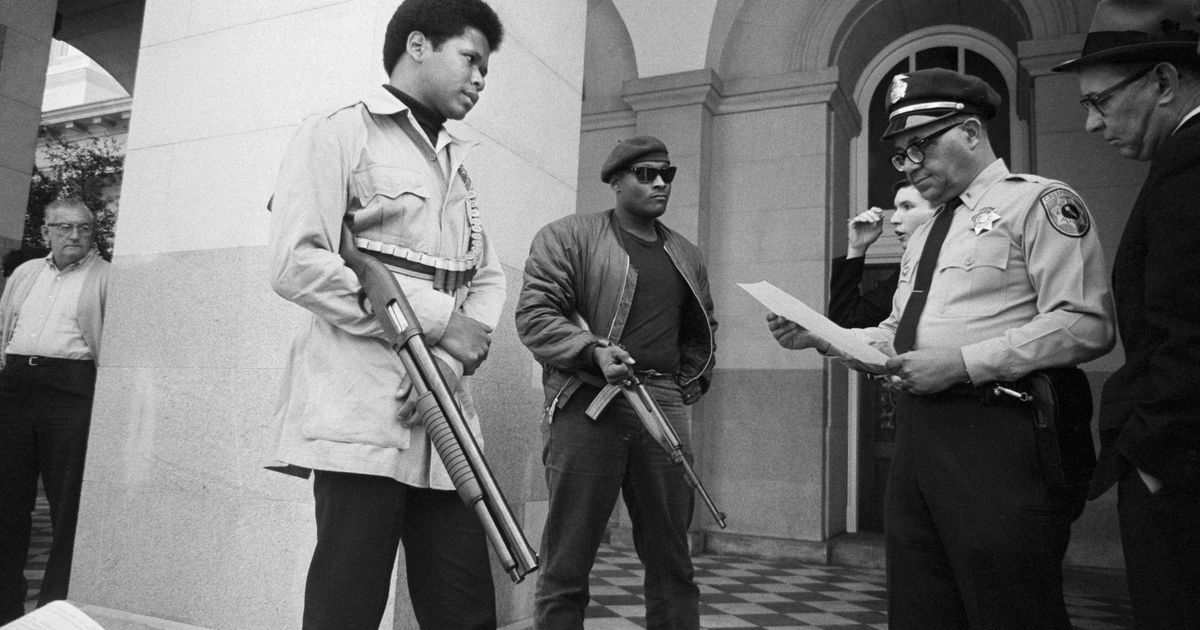
Members of the Black Panther Party occupying the California Capitol Building; May 2, 1967
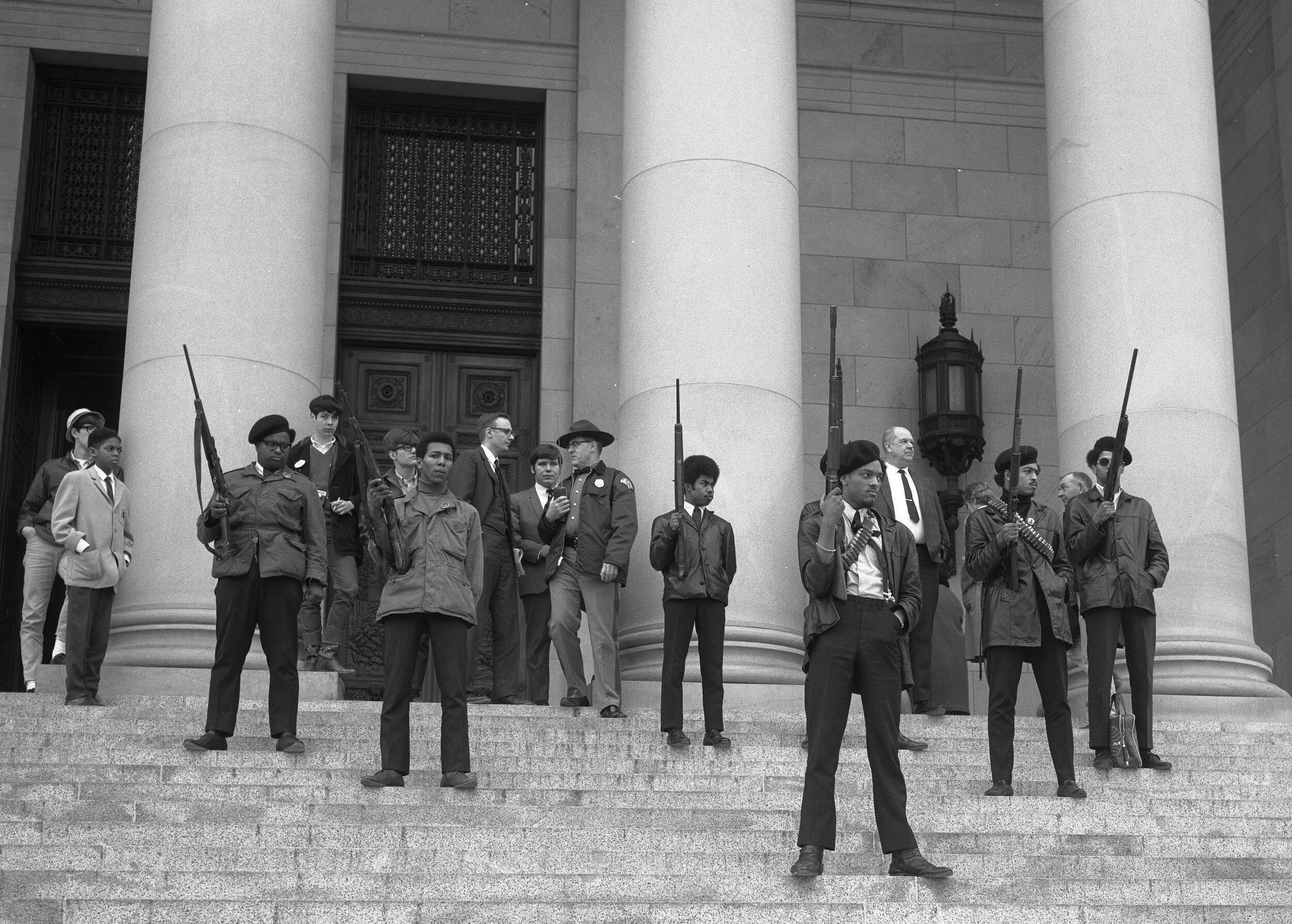
While civil disobedience can catalyze positive change, it also raises concerns about the rule of law and the potential consequences of challenging legal authority. In democratic societies, the rule of law is essential for maintaining order and protecting individual rights. An argument can be made for this when analyzing the acts of the Black Panther Party in the decade following its establishment; the Black Panther Party illegally carried weapons in May 1967 outside the California State Capitol. However, the legitimacy of the law is not absolute and may be subject to critique and reform.
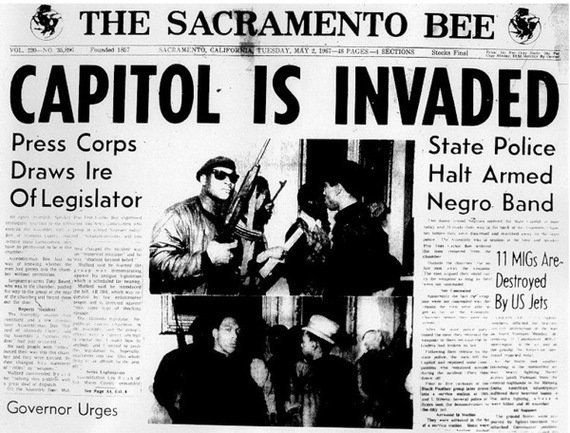
News of members of the Black Panther Party occupying the California Capitol Building; May 2, 1967
Originally, the Black Panther Party carried their weapons legally in a form of protest against unjust police brutality in the state of California; it was this act of intelligent disobedience that caused at-the-time California governor Ronald Reagan to pass the Mulford Act, stripping them of their constitutional rights to a firearm in public (later supported by Texas’ constitutional carry belief) and forcefully switching their mode of protest to become civil disobedience. If a legal form of protest by vigilant citizens can alter interpretations of the United States Constitution in the blink of an eye, then what good is it to seek action in the confines of an unjust law if such laws will only be changed to frame the oppressed in a negative light?
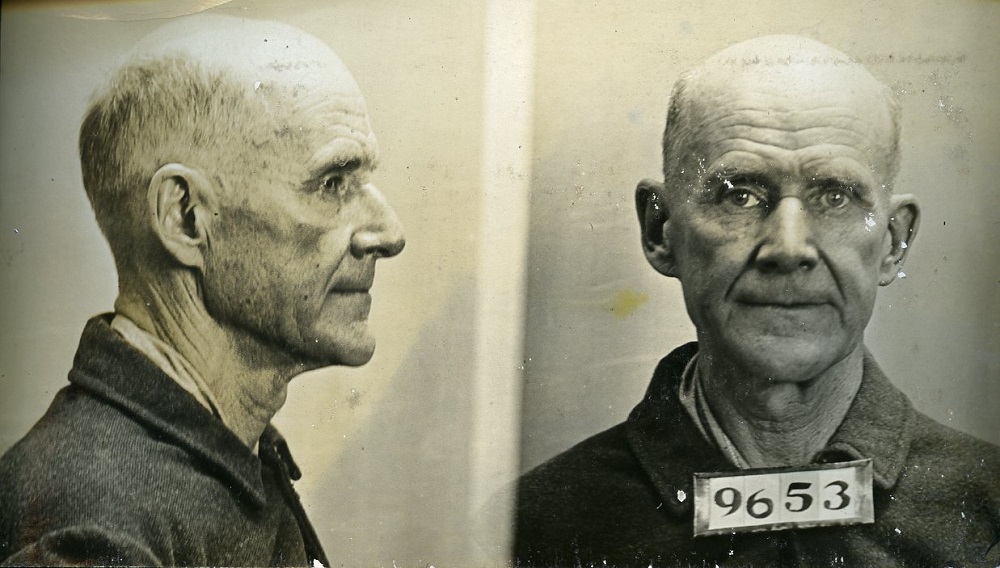
Mugshot of Eugene V. Debs.
This argument is also rebutted by the case of Eugene Victor Debs and his experiences with imprisonment in World War I, showing that the struggles of the Panthers were not isolated events. The era of the war was a time of confusion for Americans, as the originally promised policy of neutrality crumbled after the White House received news of the Zimmerman Telegram, prompting a newfound conflict between Germany and the United States. After the declaration of war and passing of the Selective Service Act in 1917, the United States began a mass propaganda campaign on their home front; not only was this done to secure public support for the war and the draft, but also to prompt the beginning of the First Red Scare following the successful Bolshevik-led Russian Revolution of 1917. This was mainly led by three major powerful tools based on law: the creation of the Committee on Public Information (CPI), and the passing of the Espionage Act of 1917 and the Sedition Act of 1918.
The Espionage and Sedition Act outlawed any criticism of the United States government, the American war effort, and the draft, while the CPI regulated the circulation of war information in America. This “information” was riddled with anti-German sentiment, while also making an effort to suppress “anti-American” information -- at the time, “anti-American” was becoming synonymous with leftist and/or progressive political beliefs. Debs was a staunch socialist and union activist and opposed the United States' involvement in the war on the grounds of his moral beliefs (based in his politics). He displayed such opposition through a number of speeches criticizing Woodrow Wilson, the incumbent president. However, the government took extreme issue when he prepared and delivered a speech encouraging the public to resist the military draft. Such “radical”, “anti-American” sentiment not only led to Wilson branding Debs as a “traitor to his country”, but also enforcing that opinion into law by charging Debs with 10 counts of sedition.
During his sentencing, when given the opportunity to speak, Debs proclaimed,
I said then, and I say now, that while there is a lower class, I am in it, and while there is a criminal element, I am of it, and while there is a soul in prison, I am not free.
Debs’ attempt to appeal this gross violation of First Amendment rights was not supported by the highest court in the nation either, regardless of the careful wording of his speeches to avoid conviction; yet, Debs still felt hope for the oppressed and even ran for prison while behind bars. His case is one similar to the Black Panther Party; despite attempts to protest against unjust law, the oppressor found a way to paint the oppressed in a negative light, therefore forcing acts of civil disobedience into existence.
Modern Whistleblowing
In today’s interconnected world, activists and whistleblowers often find themselves grappling with the decision to expose wrongdoing or challenge institutionalized injustice, knowing that they may face legal repercussions for their actions.

A photo of Edward Snowden speaking to The Council of Europe's parliamentary assembly through video chat from Moscow.
The case of Edward Snowden, who leaked classified information about government surveillance programs, exemplifies the tension between national security concerns and individual privacy rights. In releasing these records to the public, Snowden knew he would provoke the full force of United States law, leading him to flee to Russia to escape prosecution before his crime. Snowden’s actions sparked a global debate about government transparency and the balance between security and civil liberties, raising important ethical questions about the limits of state power and the duty to uphold constitutional principles. Snowden took actions he thought were correct and did so in isolation at the expense of his social and personal life. He is the objective definition of moral courageousness, as well as one of the most impactful cases of civil disobedience in recent U.S. history. His actions drew a rift in the American populace, with some seeing his actions as vile and treacherous, while others saw him as a pillar of moral righteousness.
Elouise Cobell and the Unfortunate Shortcomings of Intelligent Disobedience
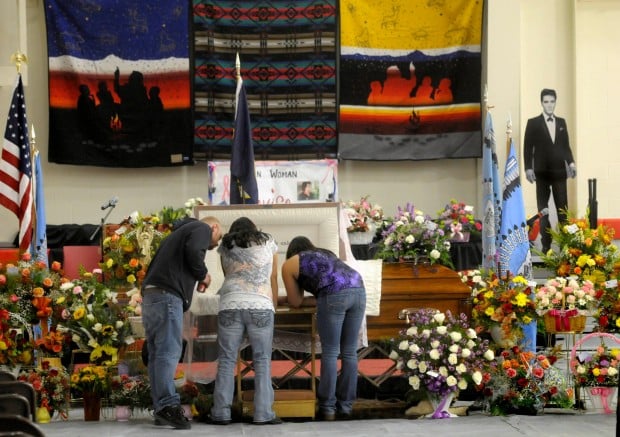
The funeral of Elouise Cobell.
However persistent one may be, an argument can be made about the citizens who follow the law, almost to a fault. In the case of Eloise Cobell, she followed the law through her demise. At great risk to her health, both mental and physical, she never resorted to illicit actions to make the government take her seriously. Although it can and will be argued that if Cobell could remain on the side of the law, why can others not, even when their grievances are not nearly as ‘paramount’ as her own?
In response, I simply raise that it isn’t that simple. Not only are many cases of civil disobedience led by movements rather than singular people, but the fact in the matter is that legal cases in the current U.S. justice system take too long to help the correct people. Cobell’s original case, Cobell v. Salazar was originally started on June 10th, 1996. Cobell won the case in November of 2010, with the Federal District Court of Washington D.C. giving it the final seal of approval on June 21, 2011. Government checks were distributed over the Christmas holidays to the Natives but unfortunately, between the time of the settlement and the checks finally being distributed, Cobell had succumbed to her battle with cancer.
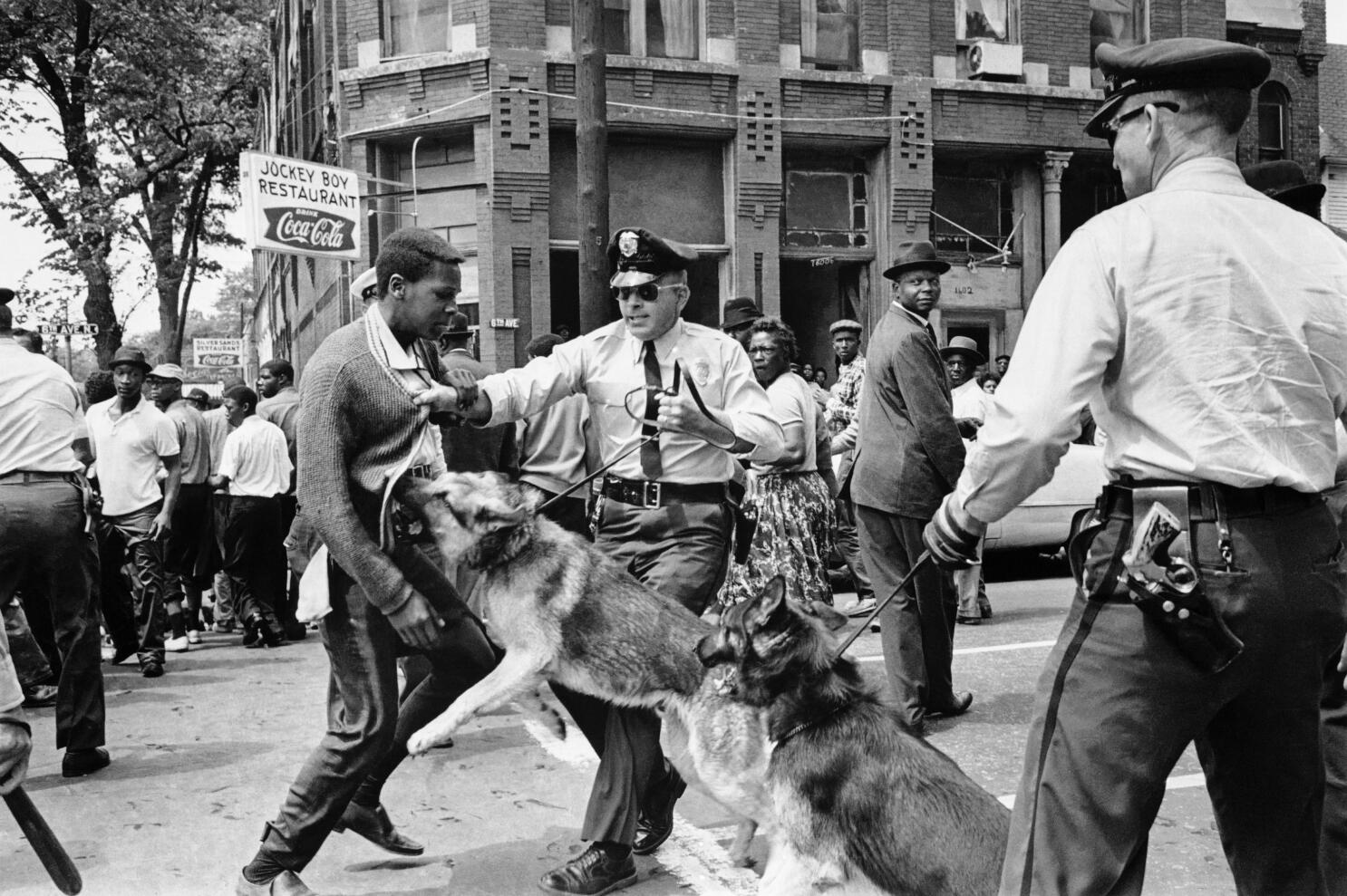
A photo from the Children's Crusade in Birmingham, specifically of police dogs attacking demonstrators. Photo obtained from the National Museum of African African History & Culture.
In stark contrast, the modern Civil Rights Movement brought forth change almost instantly. African Americans across the country participated in acts of civil disobedience, boycotting busses, hosting sit-ins, and being willingly incarcerated to protest the treatment of Black people in America. On May 3rd, 1963, child protestors were bitten by police dogs and sprayed with firehoses. This was known as the Birmingham Children’s Crusade, sparking mass uproar, and is noted as the final push in a change to civil rights as we know it. This culminated in the passing of the Civil Rights Act of 1964, only a year and a month later. Though both Cobell and MLK were morally justified in their combatance of the U.S. government, there is a clear distinction in effectiveness. It is objectively unjust for people to die fighting for an unjust law, especially when there is a simple resolution. Civil disobedience is inherently moral, as it effectively conflicts with unethical standpoints and motions.
Conclusion
In conclusion, the moral implications of defying the law for something one believes to be right are multifaceted and inherently complex. While individuals may be motivated by a sense of moral duty or a commitment to justice, they must also consider the broader societal consequences of their actions and the potential conflicts between legal and moral principles. Ethical theories such as deontology and utilitarianism offer valuable frameworks for evaluating the morality of disobedience, while historical examples of civil disobedience provide inspiration and guidance for confronting injustice peacefully. Ultimately, navigating the moral dilemma of defying the law requires thoughtful reflection, ethical discernment, and a steadfast commitment to principles of justice and human rights.
Further Reading
Bloom, Joshua, and Waldo E. Martin. Black against Empire: The History and Politics of the Black Panther Party. University Of California Press, 2013.
Chomsky, Noam. “Totalitarian Culture in a Free Society.” Internet Archive, 1 Oct. 1993, archive.org/details/NoamChomsky-TotalitarianCultureInAFreeSociety-1993. Accessed 1 May 2024.
Debs, Eugene V. “Speech of Sedition.” Wikisource.org, Wikimedia Foundation, Inc., 16 June 1918, en.wikisource.org/wiki/Debs%27_Speech_of_Sedition.
---.“Statement to the Court, upon Being Convicted of Violating the Sedition Act.” Www.marxists.org, 18 Sept. 1918, www.marxists.org/archive/debs/works/1918/court.htm.
“Eugene Debs in Jail.” The Washington Post, 1 July 1918, p. 1, www.newspapers.com/article/the-washington-post-eugene-debs-in-jail/115358863/.
Garrett, Jan. “Thomas Aquinas on Law.” Wku.edu, 1225, people.wku.edu/jan.garrett/302/aquinlaw.htm.
Janko, Melinda. "Elouise Cobell: A Small Measure of Justice." American Indian Magazine, summer 2013, pp. 25-29.
Koch, Peter. “How Should We Balance Morality and the Law? - Baylor College of Medicine Blog Network.” Baylor College of Medicine Blog Network, 20 Dec. 2019, blogs.bcm.edu/2019/12/20/how-should-we-balance-morality-and-the-law/.
Marx, Karl, and Friedrich Engels. The Communist Manifesto. Workers’ Educational Association, 1848.
Mill, John Stuart. On Liberty ; Representative Government ; the Subjection of Women. Oxford University Press, 1975.
Misselbrook, David. “Duty, Kant, and Deontology.” British Journal of General Practice, vol. 63, no. 609, Apr. 2013, pp. 211–11, doi.org/10.3399/bjgp13x665422.
Myers, Peter C. “The Limits and Dangers of Civil Disobedience: The Case of Martin Luther King, Jr.” The Heritage Foundation, 29 Dec. 2017, www.heritage.org/civil-society/report/the-limits-and-dangers-civil-disobedience-the-case-martin-luther-king-jr.
Pearson, Hugh. Shadow of the Panther. Addison Wesley Publishing Company, 1994.
Thomas, Ted, and Ira Chaleff. "Moral Courage and Intelligent Disobedience.'InterAgency Journal, vol. 8, no. 1, winter 2017, pp. 58-66.