

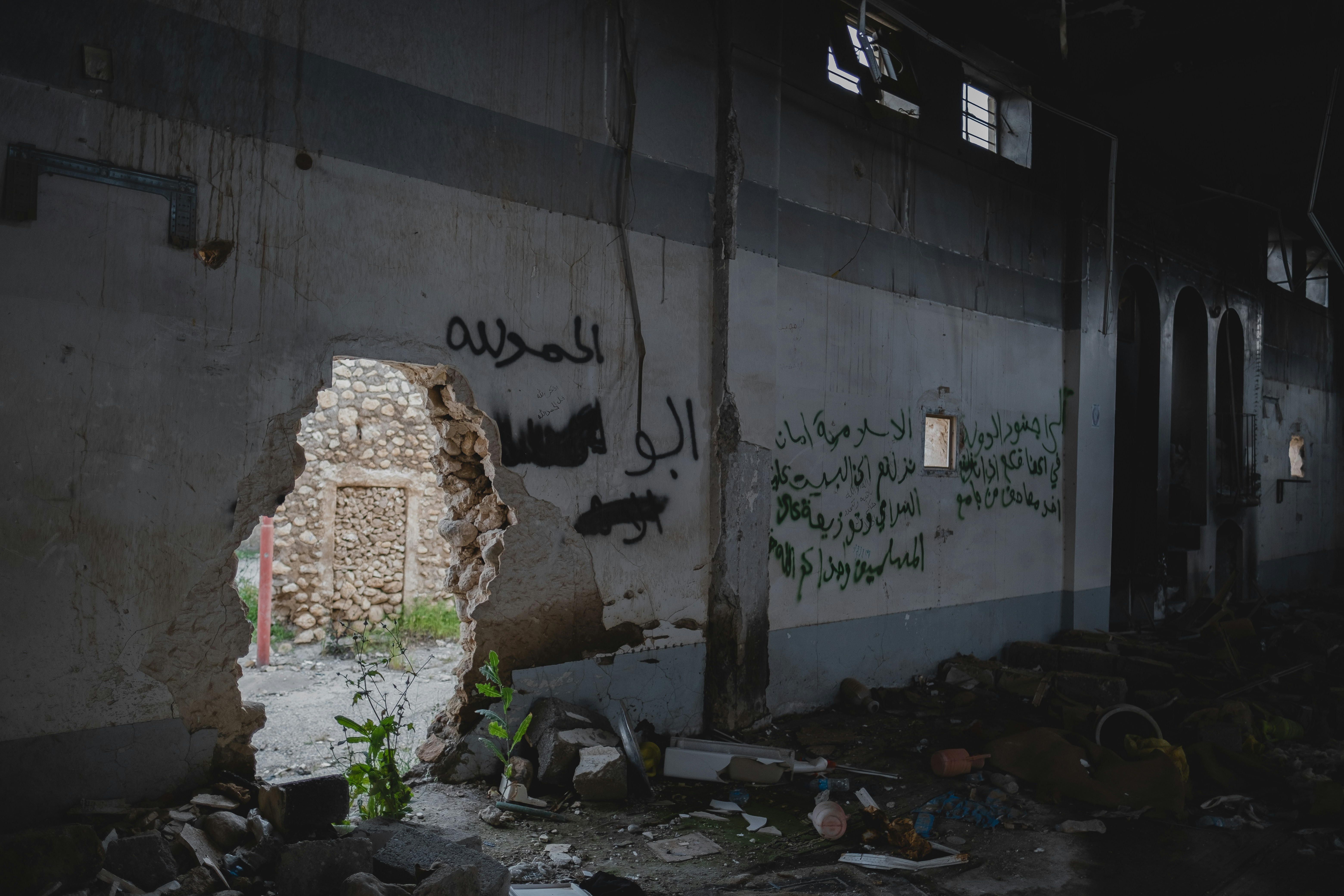
The 2010 leaking of classified United States Army documents unveiled a staggering estimate of 66,081 civilian deaths in Iraq from the period January 2004 to December 2009, attributed directly to the Operation Iraqi Freedom.
Among these casualties were tragic instances of deliberate killings, including pregnant women and the mentally ill, merely for inadvertently approaching checkpoints too closely. The leaking of these documents highlighted the evolution of warfare in a digital age and showed current generations the true carnage of military intervention.
Regardless of intent, the mass and irresponsible killing of the innocent is morally indefensible. While the global promotion of democracy is desirable, military/humanitarian intervention has had disastrous consequences and should be avoided or approached more carefully in the future because of horrible human rights abuses, vast economic consequences, and violations of political sovereignty, making intervention overall ineffective.
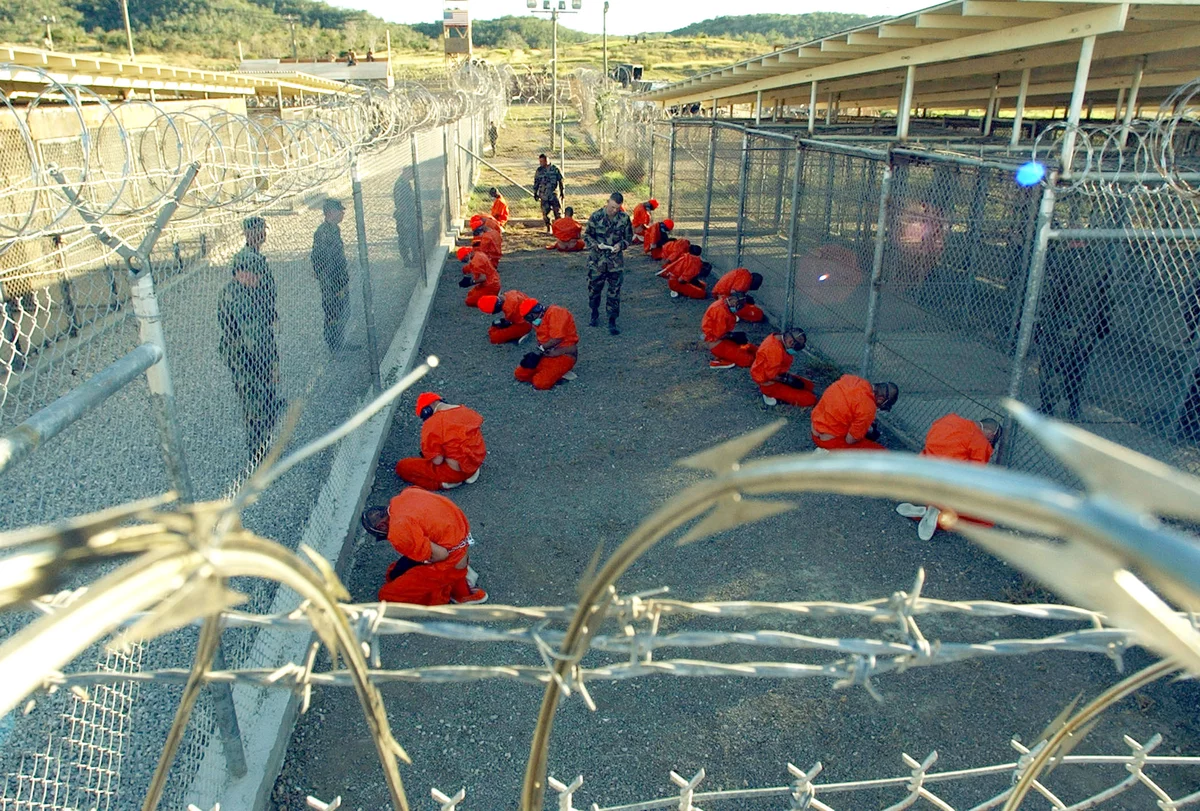
Military and humanitarian intervention, while often justified as a way to protect human rights, tends to paradoxically lead to egregious violations of those rights it seeks to uphold.
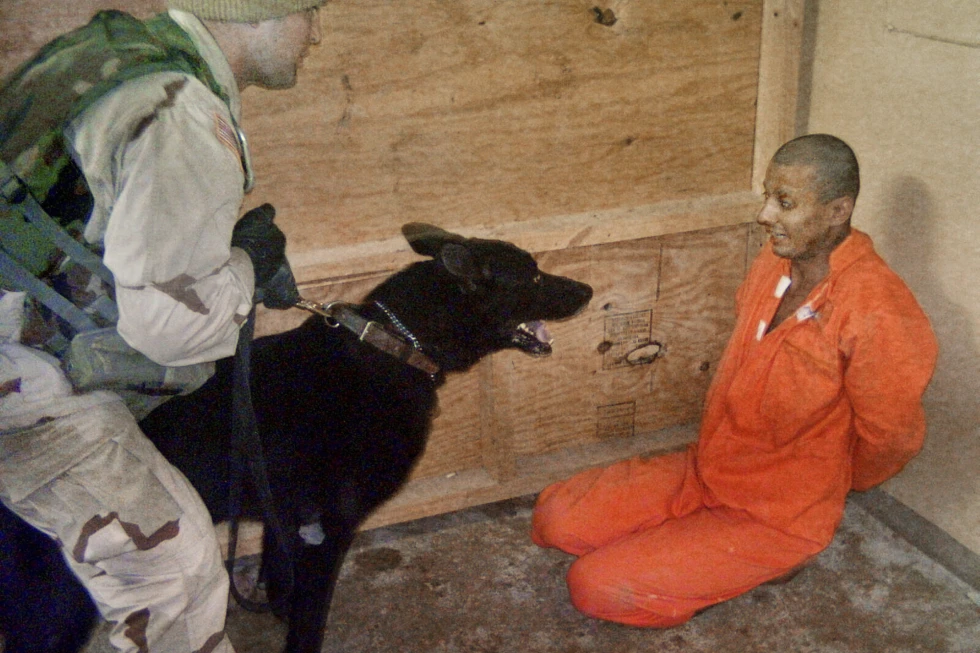
During the early stages of the Iraq War, the Iraqi Abu Ghraib prison was utilized by the United States Army detain suspected terrorists, even if given little evidence; soldiers took this opportunity to humiliate and torture these detainees, even “photograph[ing] [some] in sexually suggestive … poses”.
Similarly, after the Guantanamo Bay detention camp was opened in 2002 following the 9/11 terror attacks, vile abuses occurred there. As described in an official interrogation log, interrogators at Guantanamo abused Mohammed al-Qahtani, the alleged failed 20th hijacker of the 9/11 terror attacks, making him do things such as worship a shrine of Osama bin Laden (the mastermind behind the 9/11 attacks), follow dog orders such as “stay, come, and bark”, and constantly be strip searched, among dozens of other inhumane acts. These were all carried out despite the fact that al-Qahtani was never convicted of any crime. Intervention in the name of human rights seems to be one of today’s greatest falsehoods, as major foreign military interventions have tended to result in worse human rights abuses than previous regimes (in the area).
Military intervention also tends to have a large economic toll, costing more than it is worth.
The Iraq War cost the United States $2 trillion – valuable resources that could have gone to supporting the United States’ civilian population, especially during the severe aftermath of 2005’s Hurricane Katrina. Resources such as a significant portion of the Louisiana and Mississippi National Guards and emergency response equipment could have domestically assisted Americans in the death and destruction resulting from Katrina.
However, the war also put an insane strain on the economy of Iraq in its process of rebuilding its nation. Hundreds of billions of dollars had to be allocated to rebuild essential infrastructure, such as hospitals, schools, and roads. These billions of dollars were heavily borrowed from international financial institutions, which additionally put a strain on the debt of Iraq; in 2004, the national debt of Iraq was 344.3% of its gross domestic product. This only further contributed to the destabilization of the nation. With the poor, simply unsuccessful result of the Iraq War, the political consequences seem to be brought down even more by the economic consequences of these operations.
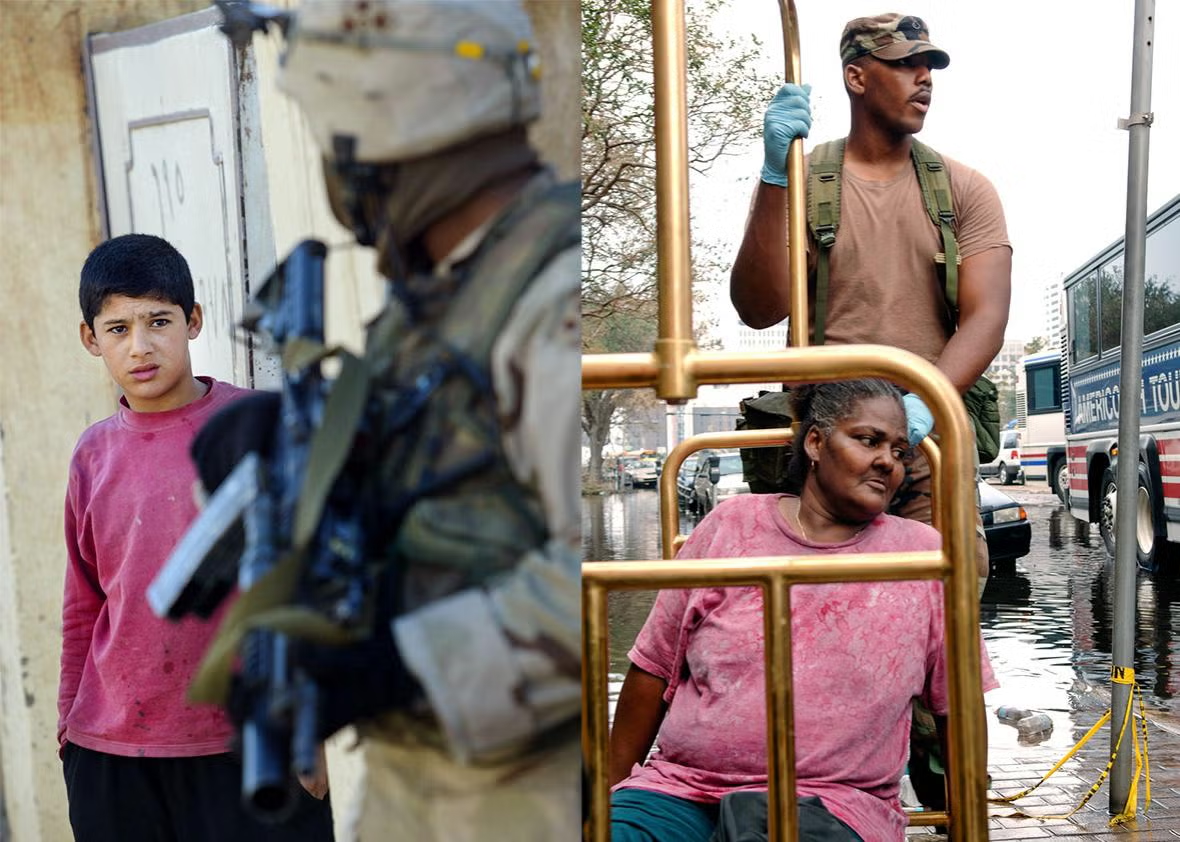
Supporters of global intervention argue that despite the economic and human toll, changes undertaken during intervention ultimately lead to a global spread of democracy, following the Truman Doctrine against authoritarian regimes.
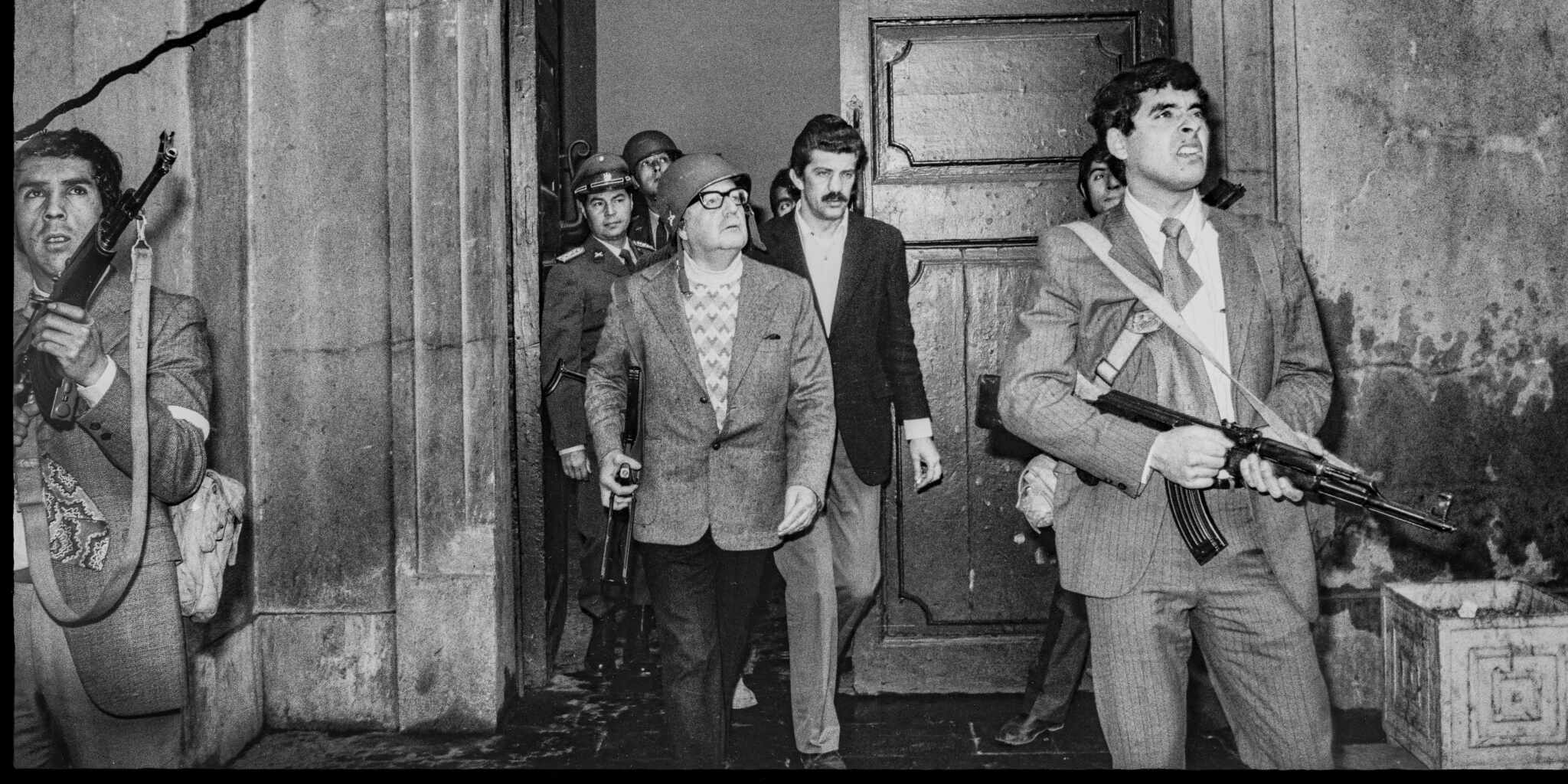
However, this doctrine has been historically used to violate political sovereignty, exercising what it intended to limit the growth of the Soviet Union at all costs. Salvador Allende, a member of the Socialist Party of Chile, was democratically elected by the Chilean public through a close plurality (which was then decided by Congress) to become the 28th president of Chile after the 1970 election. However, due to his left-leaning beliefs adjacent to nations like the Soviet Union, United States intelligence had an unfavorable view of this decision, seeing his presidency as further spreading communism worldwide; the Central Intelligence Agency admitted their involvement through 2023 unclassified documents.
This was despite the fact that his presidency saw major wins, such as a decrease in inflation simultaneously with an increase in real wages. As a result, in 1973, the Central Intelligence Agency (CIA) staged a military coup d’etat to oust Allende from his position despite the fair circumstances under which he was elected. During this coup, Allende died from what seemed to be a suicide. The CIA then replaced Allende with Augusto Pinochet – a leader more aligned with their beliefs, but also a leader that would also go on to be one of the cruelest dictators in modern history. His 17-year rule was marked by drastic increases in economic inequality, horrible levels of corruption, and appalling human rights abuses (Reel and Smith). Though the spread of democracy seems like a noble goal, historically, it has been misused by even some of the largest global “democratic” powers.
Military/humanitarian intervention has historically resulted in thousands of unnecessary casualties, immense economic toll, and suppression of democracy globally, ultimately making such intervention an unwise, inefficient endeavor.
In the first President of the United States’ farewell address, George Washington warned against “permanent alliances with other countries” and other perils of aggressive globalization, in fear that such alliances would conflict with domestic interests. The monitory wisdom of Washington continues to echo in the modern era; it is crucial that governments exercise caution in navigating international relations in the form of showing restraint. One must learn from the mistakes of history in order to forge a more just future for generations to come.
Further Reading
Carlstrom, Gregg. “Civilians in the Crossfire - Secret Iraq Files.” Al Jazeera, 23 Oct. 2010, web.archive.org/web/20101023051207/english.aljazeera.net/secretiraqfiles/2010/10/2010102216241633174.html.
Central Intelligence Agency. “CIA Activities in Chile — Central Intelligence Agency.” Central Intelligence Agency, 12 June 2007, web.archive.org/web/20070612225422/www.cia.gov/library/reports/general-reports-1/chile/index.html.
International Monetary Fund. “Iraq Datasets.” Www.imf.org, www.imf.org/external/datamapper/profile/IRQ.
Kornbluh, Peter. “The Coup in Chile: CIA Releases Top Secret 9/11/1973 President’s Daily Brief.” Nsarchive.gwu.edu, 25 Aug. 2023, nsarchive.gwu.edu/briefing-book/chile/2023-08-25/coup-chile-cia-releases-top-secret-9111973-presidents-daily-brief.
---. The Pinochet File: A Declassified Dossier on Atrocity and Accountability. The New Press, 2003.
Kramer, Paul A. “The Untold Story of the Iraq War’s Disastrous Toll on the City of New Orleans.” Slate Magazine, 7 Sept. 2016, slate.com/news-and-politics/2016/09/how-the-iraq-war-set-the-stage-for-the-hurricane-katrina-disaster.html.
Li, Jane-Yu Ho, et al. “The Macroeconomics of Populism in Latin America.” Southern Economic Journal, vol. 59, no. 4, Apr. 1993, p. 843, https://doi.org/10.2307/1059755.
Reel, Monte, and J. Y. Smith. “A Chilean Dictator’s Dark Legacy.” Washington Post, 11 Dec. 2006, www.washingtonpost.com/wp-dyn/content/article/2006/12/10/AR2006121000302.html.
Scurfield, Raymond M. “The Nexus between the Iraq War and Katrina Recovery.” Trauma, Violence, & Abuse, vol. 10, no. 2, Apr. 2009, pp. 181–92, https://doi.org/10.1177/1524838008328059.
Smeulers, Alette, and Sander van Niekerk. “Abu Ghraib and the War on Terror—a Case against Donald Rumsfeld?” Crime, Law and Social Change, vol. 51, no. 3-4, Nov. 2008, pp. 327–49, https://doi.org/10.1007/s10611-008-9160-2.
U.S. Department of Defense. “SECRET ORCON - INTERROGATION LOG DETAINEE 063.” Time Magazine, Time, 20 June 2005, content.time.com/time/2006/log/log.pdf.
Washington, George. Washington’s Farewell Address. 19 Sept. 1796, www.govinfo.gov/content/pkg/GPO-CDOC-106sdoc21/pdf/GPO-CDOC-106sdoc21.pdf.
WikiLeaks. “Baghdad War Diary.” Wikileaks.org, 2010, wikileaks.org/irq/.
World Bank. “United Nations/World Bank Joint Iraq Needs Assessment.” World Bank, Oct. 2003, pp. 54–58. Accessed 3 Mar. 2024.